
How Parents Can Build Better Study Habits at Home Without Creating Stress

How Parents Can Build Better Study Habits at Home Without Creating Stress
Many parents want to help their children succeed academically, but good intentions can sometimes turn homework time into a daily struggle. Constant reminders, pressure to score higher marks, and long study hours often create stress for both children and parents. Fortunately, building effective study habits does not require strict schedules or endless supervision.
The goal is not to make children study more, but to help them study better. With the right approach, parents can create a positive learning environment that encourages consistency, independence, and confidence.
1. Create a Consistent Study Routine
Children generally perform better when they have predictable routines. Instead of forcing long study sessions, establish a regular time each day for homework, reading, and revision.
A consistent schedule helps children develop discipline and reduces the daily negotiation about when studies should begin. However, flexibility is equally important. Younger children may require shorter study periods, while older students may need additional time for assignments and exam preparation.
2. Focus on Learning, Not Just Marks
One of the biggest sources of academic stress is an excessive focus on examination scores. While good grades are important, children should also understand concepts, develop curiosity, and enjoy learning.
Instead of asking only, “What marks did you get?” parents can ask:
- What new thing did you learn today?
- Which subject did you enjoy the most?
- Was there anything you found challenging?
Such conversations encourage a healthy attitude toward education and reduce performance anxiety.
3. Set Up a Comfortable Learning Space
A quiet and organized study area can significantly improve concentration. The study space does not need to be elaborate, but it should be comfortable, well-lit, and free from unnecessary distractions.
Children should have easy access to books, notebooks, stationery, and learning resources. Good organization minimizes interruptions and helps students stay focused on their tasks.
4. Encourage Reading Beyond Textbooks
Reading strengthens language skills, improves concentration, and broadens knowledge. Parents can encourage children to develop a reading habit by introducing age-appropriate books, magazines, and educational materials.
Schools that maintain strong reading cultures through a well-equipped library often help students develop lifelong learning habits. Reading for pleasure can be just as valuable as reading for academic purposes.
5. Reduce Distractions During Study Time
Mobile phones, television, gaming devices, and social media notifications can easily disrupt a child’s concentration.
Rather than imposing strict bans, families can establish reasonable rules regarding screen usage during study hours. Creating technology-free periods often helps children become more engaged with their learning.
6. Encourage Practical Learning
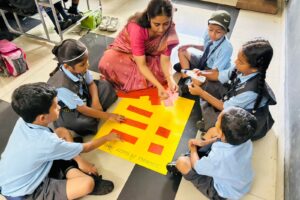
Many children learn best when they can apply concepts rather than simply memorize information. Practical experiences help students develop deeper understanding and curiosity.
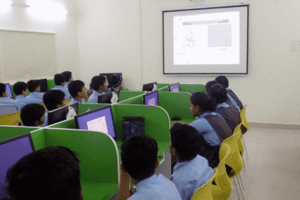
For example, science experiments, educational projects, and hands-on activities can make learning more meaningful. Exposure to facilities such as a Science Lab, Computer Lab, and Maths Lab can support concept-based learning and critical thinking.
7. Teach Time Management Skills
Effective study habits are closely linked to good time management. Parents can help children learn how to prioritize tasks, break large assignments into smaller goals, and avoid last-minute preparation.
Simple techniques such as checklists and study planners can help students feel more organized and less overwhelmed.
8. Encourage Questions and Curiosity
Children should feel comfortable asking questions without fear of criticism. Curiosity is an essential part of learning and often leads to stronger understanding of academic concepts.
When a child asks questions, parents can guide them toward finding answers rather than immediately providing solutions. This builds confidence and independent thinking skills.
9. Balance Studies with Physical Activity
Academic success should not come at the expense of physical health. Regular exercise and outdoor play improve concentration, reduce stress, and support overall well-being.
Participation in sports also teaches teamwork, discipline, and perseverance. Schools that provide structured sports activities help students maintain a healthy balance between academics and physical development.
10. Support Emotional Well-Being
Sometimes academic struggles are linked to emotional challenges rather than learning difficulties. Children may face stress related to exams, friendships, competition, or self-confidence.
Parents should maintain open communication and listen carefully to their child’s concerns. Professional support services and school counselling programs can provide valuable assistance when needed.
11. Recognize Individual Strengths
Every child has unique talents and interests. Some excel academically, while others shine in leadership, sports, creativity, music, technology, or public speaking.
Parents should celebrate effort and progress rather than constantly comparing their children with others. Opportunities such as student leadership programs and art, craft, dance, and music activities help children build confidence and discover their strengths.
12. Lead by Example
Children often model the behavior they observe at home. Parents who read regularly, stay organized, and demonstrate a positive attitude toward lifelong learning set a powerful example.
Even small actions such as reading newspapers, discussing current events, or learning new skills can inspire children to value education beyond the classroom.
Building Lifelong Learners, Not Just Good Students
The purpose of education extends beyond examination results. Good study habits help children become independent learners, problem-solvers, and confident individuals.
A supportive home environment, combined with quality educational experiences and opportunities for holistic development, can help children develop skills that benefit them throughout life.
Parents looking to understand a school’s educational philosophy may also explore resources such as the school’s About Us page, learn about its vision through the Principal’s Desk, or review available academic and co-curricular opportunities that contribute to student growth.
Conclusion
Building better study habits does not require pressure, strict discipline, or constant monitoring. Consistency, encouragement, open communication, and balance are often far more effective.
When children feel supported rather than stressed, they are more likely to develop confidence, curiosity, and a genuine love for learning. These qualities not only improve academic performance but also prepare them for future challenges and lifelong success.