
How to Choose the Best CBSE School in Amravati in 2026-27: A Parent’s Complete Checklist
How to Choose the Best CBSE School in Amravati in 2026-27: A Parent’s Complete Checklist
Will my child feel safe here? Will someone notice if they are struggling? Can we manage the fees comfortably? Will the daily journey leave enough time for rest and play?
These questions often matter more to parents than a school’s photographs, awards or advertisements. Choosing a school means choosing the people, routines and environment that will become part of your child’s everyday life.
If you are comparing CBSE schools in Amravati in 2026, begin with one reassuring thought: there is no single school that is the best fit for every child. A confident teenager, a quiet primary-school child and a student who needs additional learning support may need different things from their school.
This guide offers practical questions to ask, information to check and observations to make before deciding. Links to relevant pages on this website are included to help you prepare for a conversation; apply the same checks to every school on your shortlist.
1. Start with your child, before starting with a shortlist
Write down what helps your child learn and what makes school difficult for them. Consider their age, interests, friendships, language confidence, independence and any support they already receive.
A child who hesitates to speak in class may need patient encouragement. A child who finishes tasks quickly may need additional challenges. A child changing schools may need help adjusting to unfamiliar routines and making friends.
- What does my child enjoy about learning?
- What currently causes worry, frustration or reluctance to attend school?
- Do they need support with reading, writing, attention, communication or mobility?
- How much travel and homework can our family realistically manage?
- Which needs are essential, and which preferences are flexible?
Involve your child in an age-appropriate way. Ask what helps them feel comfortable, rather than asking them to make the entire decision. The responsibility remains with adults, but the child’s experience should have a place in the conversation.
2. Verify CBSE affiliation and check the documents
Do not rely only on the words “CBSE pattern” or “CBSE curriculum” in promotional material. Check the school’s record in the official CBSE SARAS school directory, which allows searches by affiliation number, name and other criteria.
Match the school name and campus address carefully. Review the listed school level and available affiliation details, and ask the school to clarify anything that is unclear. A familiar brand name alone does not establish the status of a particular campus.
The school’s Mandatory Public Disclosure page is another useful starting point. Check the dates and scope of the documents provided, and request current copies where necessary.
Question to ask: “Could you show us the current affiliation details and explain which classes this campus is authorised to offer?”
3. Put safety and respectful treatment near the top of your list
Safety involves much more than a gate, security guard or CCTV system. Parents need to understand who supervises children throughout the day, how concerns are reported and what happens when something goes wrong.
- How are visitors checked and children released to authorised adults?
- Who supervises corridors, toilets, playgrounds and dismissal time?
- How can a child report bullying or inappropriate behaviour privately?
- Who follows up, and when are parents informed?
- How are emergency drills and evacuation arrangements explained to children?
- What happens if a child is missing from class or absent without explanation?
Ask how discipline works in practice. Children should be corrected without physical punishment, intimidation or humiliation. A reassuring answer explains how adults respond, document concerns and prevent recurrence; “we never have problems” provides little insight.
Question to ask: “If my child says another student is repeatedly troubling them, who will handle it and how will we know what action was taken?”
4. Find out whether your child will be noticed in the classroom
A school’s overall teacher-student ratio does not tell you how many children will sit in your child’s actual classroom. Ask about class strength in the relevant grade, subject staffing and continuity when a teacher is absent or leaves.
Published teacher details can help you prepare questions about qualifications and subject experience. During a visit, focus equally on how teachers listen, explain and respond to mistakes.
- How does the teacher identify children who have not understood a lesson?
- How are quieter students encouraged to participate?
- What feedback is given beyond marks and ticks?
- What additional support is available, and does it cost extra?
- How are children who need greater academic challenge supported?
Question to ask: “Can you give an example of how you helped a student who was falling behind in this grade?” Ask for an anonymous example that protects the student’s privacy.
5. Look at how children learn, not only at examination results
Results deserve attention, but a photograph of high scorers cannot show the experience of every child. Ask about performance across recent years, how many students were included and what support was offered to those who struggled.
Look for evidence of understanding in ordinary schoolwork: explanations in a child’s own words, opportunities to ask questions, feedback on errors and tasks that connect lessons to everyday situations.
The school’s educational aims can help frame this conversation. Ask how those aims appear in the weekly timetable and classroom practice.
Homework is another useful topic. Ask about the usual workload for your child’s grade, whether children can complete it independently and what happens when an assignment is difficult. A task that routinely requires parents to do the work may tell you little about what the child understands.
Question to ask: “If my child gets a good mark but cannot explain the concept, how would the teacher identify and address that gap?”
6. Discuss learning support and emotional well-being openly
Parents sometimes worry that mentioning a child’s difficulties will affect how the school views them. Yet discussing needs early helps both sides assess whether the available support is suitable.
Ask about support for children with disabilities, learning difficulties, language gaps or adjustment concerns. Be specific about what your child needs, and request a clear explanation of what the school can provide, who provides it and how progress is reviewed.
A counselling information page is a starting point, but parents should confirm the counsellor’s qualifications, availability, referral process and approach to confidentiality. Ask how information is shared with parents when a child’s safety is involved.
For a child moving from a Marathi-, Hindi- or another language-medium setting, ask how teachers support understanding while the child develops confidence in the classroom language. Difficulty speaking English should not be confused with a lack of ability.
Question to ask: “Who would work with us if my child became anxious about attending school, and what would the first steps be?”
7. Check everyday health, hygiene and comfort
Children spend a substantial part of their day at school. Clean toilets, drinking water, ventilation, shade and comfortable routines deserve as much attention as prominent facilities.
During a permitted visit, notice whether toilets are usable and accessible, younger children can seek help, and students have enough time for water and meals. Ask about arrangements during hot weather and heavy rain.
Review the medical room information, then confirm who is available during school hours. A room with first-aid supplies is not the same as a full-time nurse or an on-site doctor.
- Who contacts parents if a child becomes unwell or injured?
- How are allergies, prescribed medicines and individual health needs recorded?
- Who is trained to provide first aid?
- What is the procedure for urgent medical attention?
- How are adolescent students supported with menstrual hygiene and privacy?
8. Test the daily commute, not just the distance on a map
For families travelling within Amravati or from surrounding areas, the actual journey can make a significant difference to the school day. A short distance does not always mean a short bus ride when several stops are involved.
Ask for the proposed pickup time, drop-off time, route and likely time spent on the vehicle. If possible, try the journey near school opening or closing time.
- Is an attendant present, and how is attendance checked on the vehicle?
- How are drivers and attendants verified and trained?
- Who informs parents about delays or route changes?
- How is a child handed over at the stop?
- What happens if no authorised adult is available?
- What checks ensure no child remains inside after the route ends?
Consider the whole routine: waking up, travelling, classes, homework, meals and rest. The best arrangement is one your child can manage consistently.
9. Understand the full annual cost before committing
Fees are a family planning issue, and parents should be able to ask about them without embarrassment. Compare the total expected cost rather than only the monthly tuition amount.
Start with the published fee structure, but request a written schedule for the specific academic session and class you are considering.
- Admission or registration charges and any deposits.
- Tuition and recurring annual charges.
- Books, stationery, uniforms and footwear.
- Transport and any route-specific costs.
- Activities, trips, examinations and optional programmes.
- Any required device, app or digital subscription.
Ask which expenses are compulsory, which are optional, when payments fall due and how fee revisions are communicated. Also request the written withdrawal, refund and deposit-return terms before making a payment.
Question to ask: “Could you give us the complete expected cost for this year, including items outside tuition?”
10. Ask how often children actually use the facilities
A laboratory, library or activity room is valuable when children have regular, supervised opportunities to use it. Photographs show that a space exists; a timetable and examples of student work reveal more about its role in learning.
When reviewing the science laboratory, ask which grades use it, how frequently practical sessions take place and whether children handle materials themselves under supervision.
For the library, ask about borrowing arrangements, scheduled reading time, age-appropriate choices and support for reluctant readers. A child should be able to find enjoyable books as well as reference material.
For mathematics and language activities, ask to see examples of what students do. Simple, regularly used learning materials can be more useful than impressive equipment that children rarely touch.
Question to ask: “What would a student in my child’s grade typically do in these spaces during an ordinary month?”
11. Check whether sports and creative activities include everyone
Some children enjoy competition; others need a welcoming introduction before they feel ready to participate. Ask whether regular opportunities extend beyond school teams and selected performers.
Review the sports facilities and activities, then ask about timetabled physical education, supervision, access for beginners and suitable participation for children with different abilities.
The same principle applies to art and music. Find out whether students can explore interests throughout the year, rather than only rehearse for a major event.
Ask how children are selected for performances, leadership roles and competitions. A quieter child may benefit from smaller responsibilities and gradual encouragement.
Question to ask: “What opportunities would my child have if they enjoy participating but are not yet confident or highly skilled?”
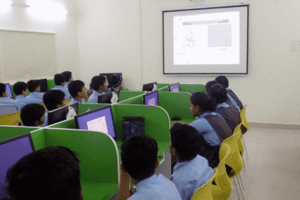
12. Look for purposeful technology use
A digital classroom should help children understand and practise something worthwhile. The presence of screens alone does not explain the quality of teaching.
When exploring the computer learning facilities, ask what children learn at each stage and how hands-on activities are supervised.
- How much learning happens on screens and how much through discussion, reading, writing and practical work?
- Are children taught online safety, privacy and respectful digital behaviour?
- Are devices or paid subscriptions needed at home?
- What support is available if a family has limited internet access?
- For older students, how does the school explain responsible AI use and academic honesty?
Also ask how consent is sought before identifiable photographs or videos of children are published, and how parents can communicate their preferences.
13. Understand how the school responds to parents
Regular announcements are useful, but communication must also work when a parent has a concern. Ask who your first contact would be, how meetings are arranged and how unresolved matters are escalated.
The Principal’s Desk offers a view of the leadership’s stated priorities. During your discussion, ask how those priorities shape responses to academic difficulties, behaviour concerns and parent feedback.
A helpful parent-teacher conversation should describe what the child is doing well, where support is needed and what happens next. Vague labels such as “careless” or “weak” do not give families a practical way forward.
Question to ask: “If we raise a concern, when can we expect a response and who should we contact if it remains unresolved?”
14. Consider future classes without deciding your child’s future too early
Continuity can be helpful, but it should not come at the expense of suitable subject choices. For older children, ask about the subjects and combinations actually available, eligibility criteria, staffing and career guidance.
Review the senior secondary information and confirm the current options directly. Do not assume that every school offers Science, Commerce and Humanities, or every combination within a stream.
Ask how the school supports students whose interests change, including those who may need to move elsewhere after Class X. Guidance should help a child explore realistic choices without treating one stream as a measure of personal worth.
15. Visit, listen and compare the evidence
Arrange a visit through the school’s contact page. Where permitted, seeing part of an ordinary school day can answer questions that a special event or promotional tour cannot.
Observe how adults speak to children, how transitions are supervised and whether students appear comfortable asking for help. Respect classroom privacy and avoid photographing children without permission.
Afterwards, ask your child open questions: “What felt comfortable?” “Was anything confusing?” “Who would you ask for help?” Avoid leading questions that pressure them to agree with your preference.
Speak with more than one current parent, preferably from the relevant grade. Use online reviews to identify questions worth checking, rather than treating individual praise or criticism as conclusive evidence.
A practical comparison checklist for parents
Use the same checklist for each shortlisted school. Record “confirmed”, “needs clarification” or “not suitable”, along with the evidence behind your answer. Do not let attractive extras outweigh an unresolved safety or support concern.
| Area | What to confirm |
|---|---|
| Affiliation | Correct campus, school level and current supporting details. |
| Safety | Supervision, visitor checks, safe dismissal and a clear reporting process. |
| Teaching | Actual class size, teacher continuity and useful feedback. |
| Learning support | Named staff, realistic arrangements and review of progress. |
| Well-being | Respectful discipline, counselling access and help with adjustment. |
| Health and hygiene | Usable toilets, drinking water, first aid and emergency arrangements. |
| Travel | Practical journey time, supervision and reliable handover. |
| Affordability | Written annual costs, optional expenses and withdrawal terms. |
| Learning opportunities | Regular access to reading, practical work, sport and creative activities. |
| Communication | Clear contacts, response expectations and follow-up. |
| Future options | Confirmed subject choices and guidance suited to the child’s interests. |
| Child’s experience | A reasonable sense of comfort, belonging and willingness to ask for help. |
Signs that deserve further questions
- Important costs or conditions are not provided in writing.
- Questions about bullying, discipline or learning needs are dismissed.
- Promises are broad, but nobody can explain who provides the support.
- Information about affiliation, subjects or staffing is inconsistent.
- Parents are pressed to pay before receiving answers to essential questions.
- A child’s needs are minimised instead of discussed respectfully.
An unanswered question does not automatically make a school unsuitable. What matters is whether staff acknowledge it, provide a clear answer and allow you to make an informed decision.
Frequently asked questions
How do I identify the best CBSE school in Amravati for my child?
Compare verified information with your child’s needs. Give priority to safety, supportive teaching, manageable travel, affordability and respectful communication. A school’s reputation can help you create a shortlist, but it cannot replace these checks.
Does a higher fee mean better education?
A fee tells you the price, not the quality of your child’s daily experience. Ask what is included and how teaching, support and participation work in practice. Choose an arrangement your family can sustain.
What should I check before applying for admission?
Read the admission procedure, then confirm the session, class availability, age criteria, documents, assessment process if applicable, and payment terms. Online information may relate to a different session, so obtain current details before proceeding.
Should my child come on the school visit?
If the school permits it, a visit can help your child become familiar with the environment. Keep the conversation relaxed and listen to their observations. Balance their first impression with the practical information you gather.
What if we are choosing a school during the academic year?
Ask about available places, differences in syllabus coverage, language subjects, records needed and support for settling in. For board classes, confirm applicable registration and transfer requirements directly before making commitments.
Choose a school where your child can learn and ask for help
Parents do not need to find a flawless school. They need a school that is honest about what it offers, attentive to children and willing to work constructively with families.
Before deciding, return to the questions that matter most: Will my child be safe? Will someone notice when they need help? Can our family manage the routine and cost? Will our concerns be heard?
A considered answer to those questions is a stronger foundation than a ranking or a polished brochure. The right choice is a place where your child has the support to learn, the confidence to participate and the freedom to grow at a healthy pace.
Tag:CBSE affiliation